
Knoxville, TN · Garage Door Service
Garage Door Repair for Knoxville Homes Built 1958-2002
Garage door repair in Knoxville for houses built 1958-2002, from torsion springs to openers. Serving Marble City, Fort Sanders and nearby neighborhoods.
- Repairs & new doors
- Springs & openers
- Serving 4 nearby communities
What We Do
Garage door services in Knoxville
From a snapped spring to a full door replacement - repairs, springs, openers and new doors.

Garage Door Repair
Off-track doors, snapped cables, bent panels and grinding openers - diagnosed and fixed.
Learn more
Opener Installation
New openers sized to your door, wired, programmed and safety-tested.
Learn more
Off-Track Repair
Doors jumped the track re-set, aligned and re-tensioned so they run true.
Learn more
Cable Repair
Frayed or snapped lift cables replaced and balanced against the springs.
Learn more
Emergency Garage Door
Fast help for a door that's stuck, off-track or won't secure.
Learn more
Roller Replacement
Worn nylon or steel rollers replaced to kill the grinding and shaking.
Learn moreCommon Problems
Garage door problems we fix in Knoxville
A stuck or broken garage door can't wait. Call and tell us what the door is doing - a snapped spring, a frayed cable, a door off its track or an opener that won't respond - and leave a spring-loaded door closed until a tech has looked at it.
- Broken springs and snapped cables
- Doors off the track or stuck shut
- Opener, remote and sensor failures
- Noisy, slow or unsafe doors

Why Knoxville Calls Us
How we work on Knoxville garage doors
Safe spring work
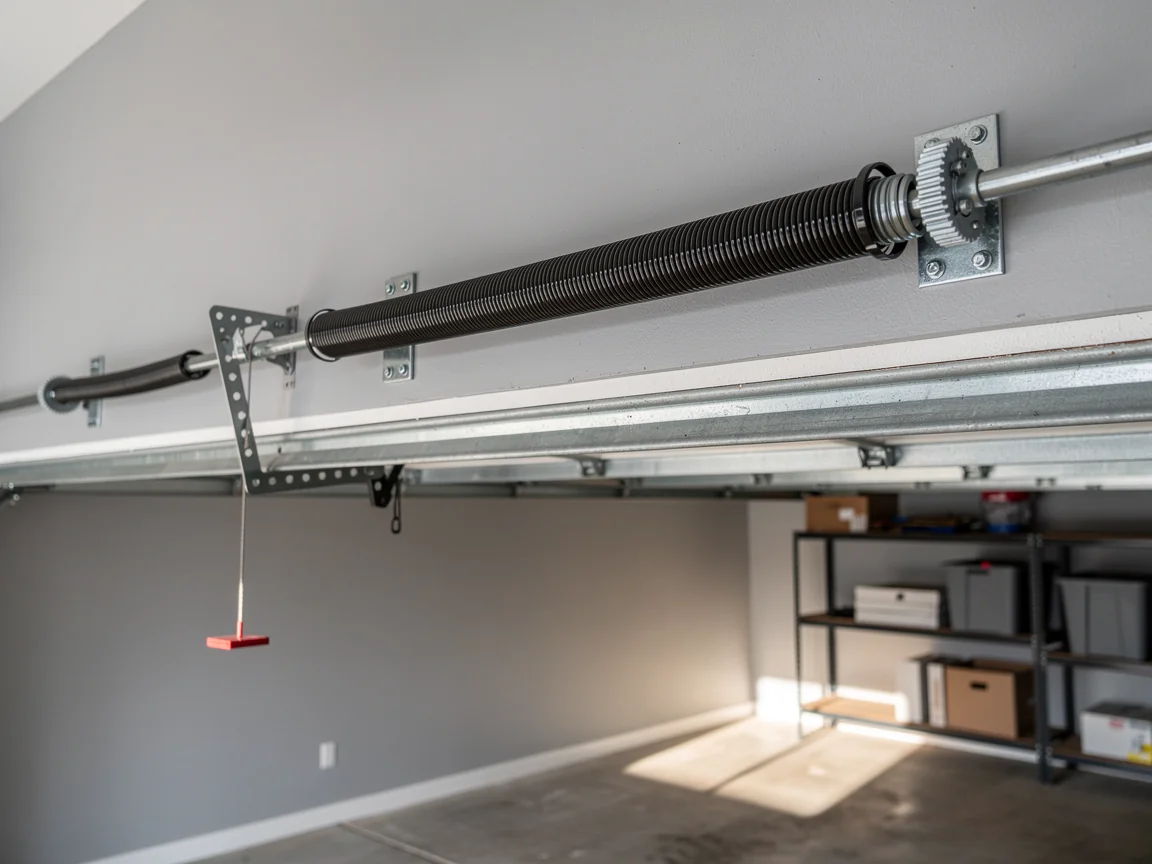
Torsion springs are wound with proper winding bars - never a do-it-yourself job.
Cause first, then the fix
The tech finds what failed - spring, cable, roller or opener - before recommending a repair.
We come to you
Service visits across Knoxville and nearby communities.
Repair or replace
For an older door you get a clear comparison of repairing it versus a new door.
Based in Knoxville
A Knoxville-based business you can reach directly by phone.
Call or book online
Call (865) 217-1947 or request a quote online.
How It Works
Getting your door fixed is simple
Tell us the symptom
Call or request a quote and describe what the door is doing - noise, off-track, won't open.
On-site diagnosis
A tech inspects the springs, tracks, opener and panels and gives you a written price first.
Repaired or installed
Most repairs are done on the same visit; installs are scheduled around you.
Our Work
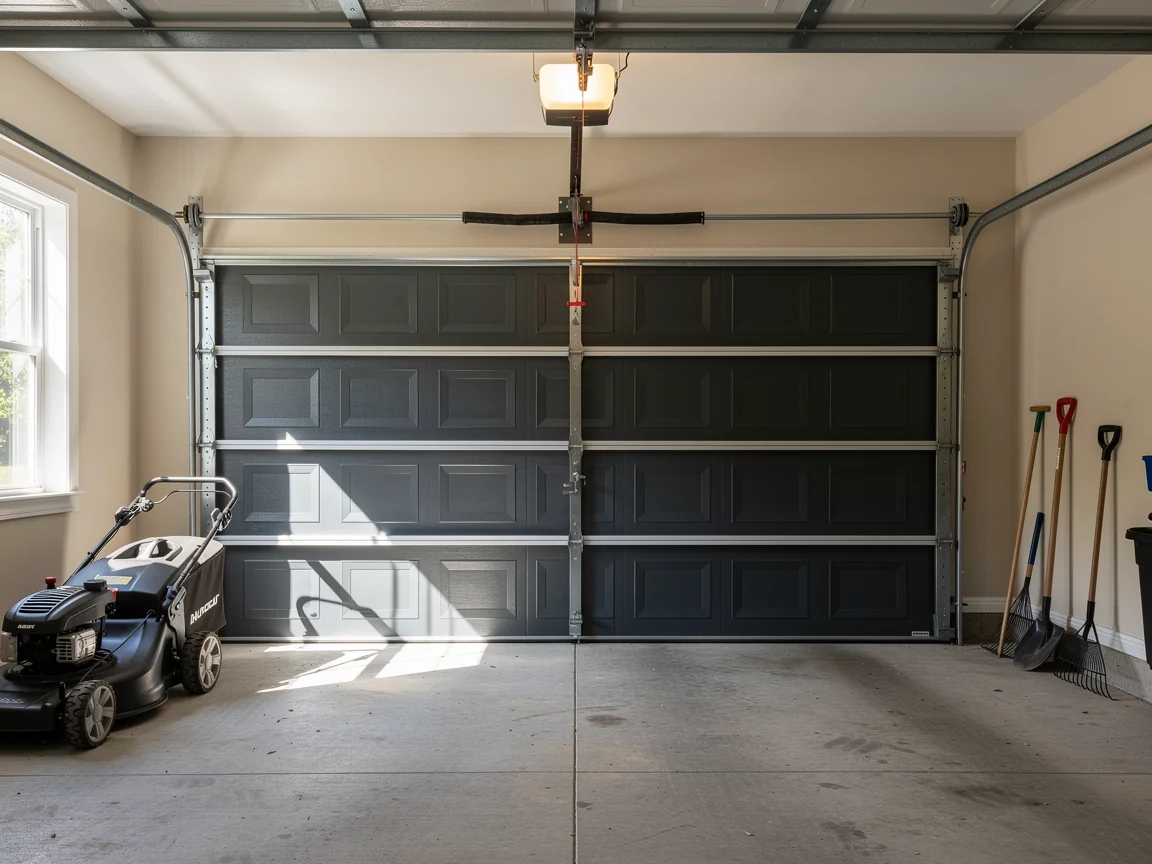
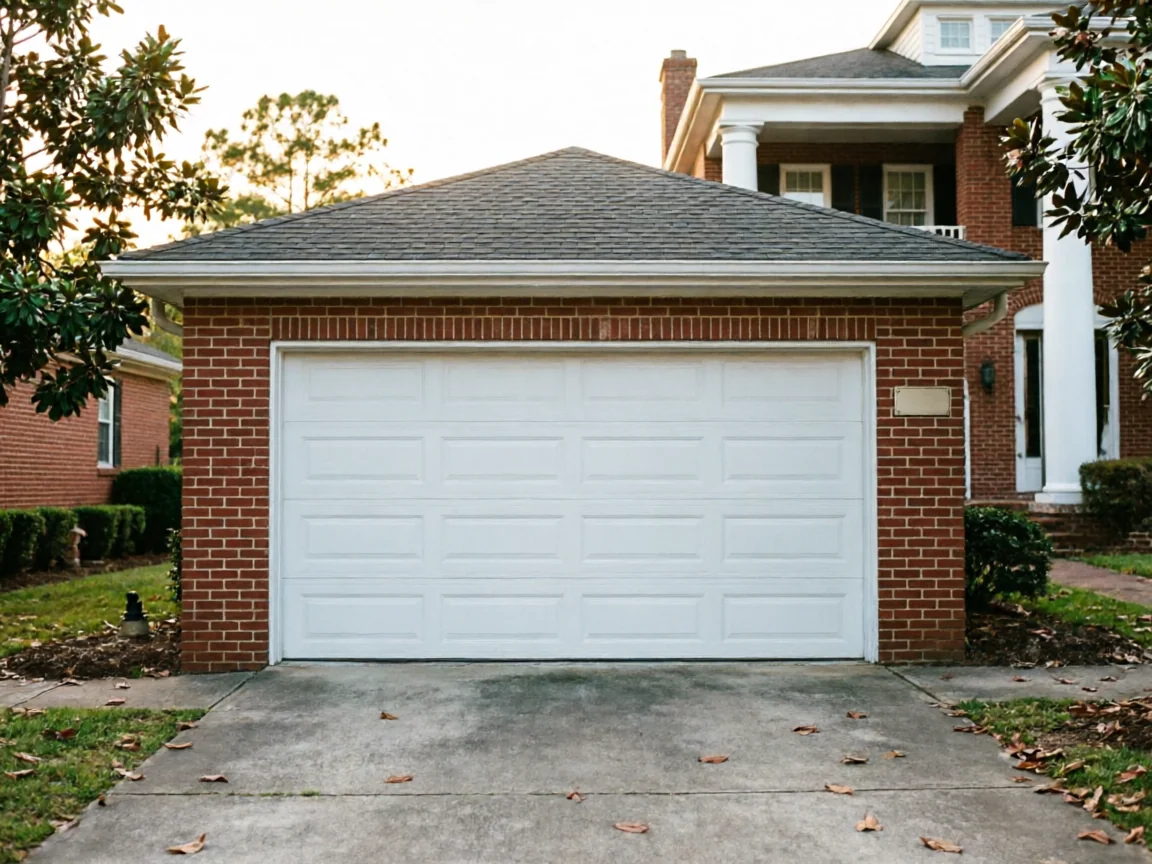
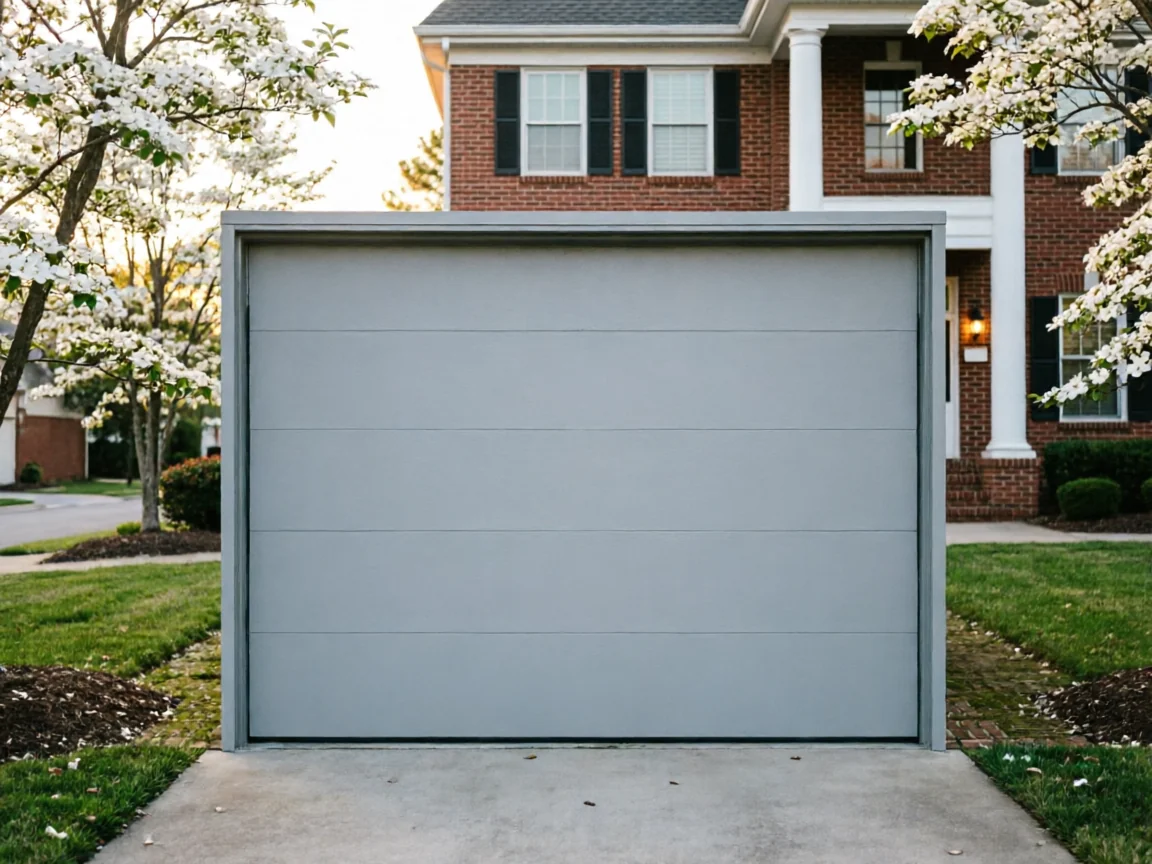
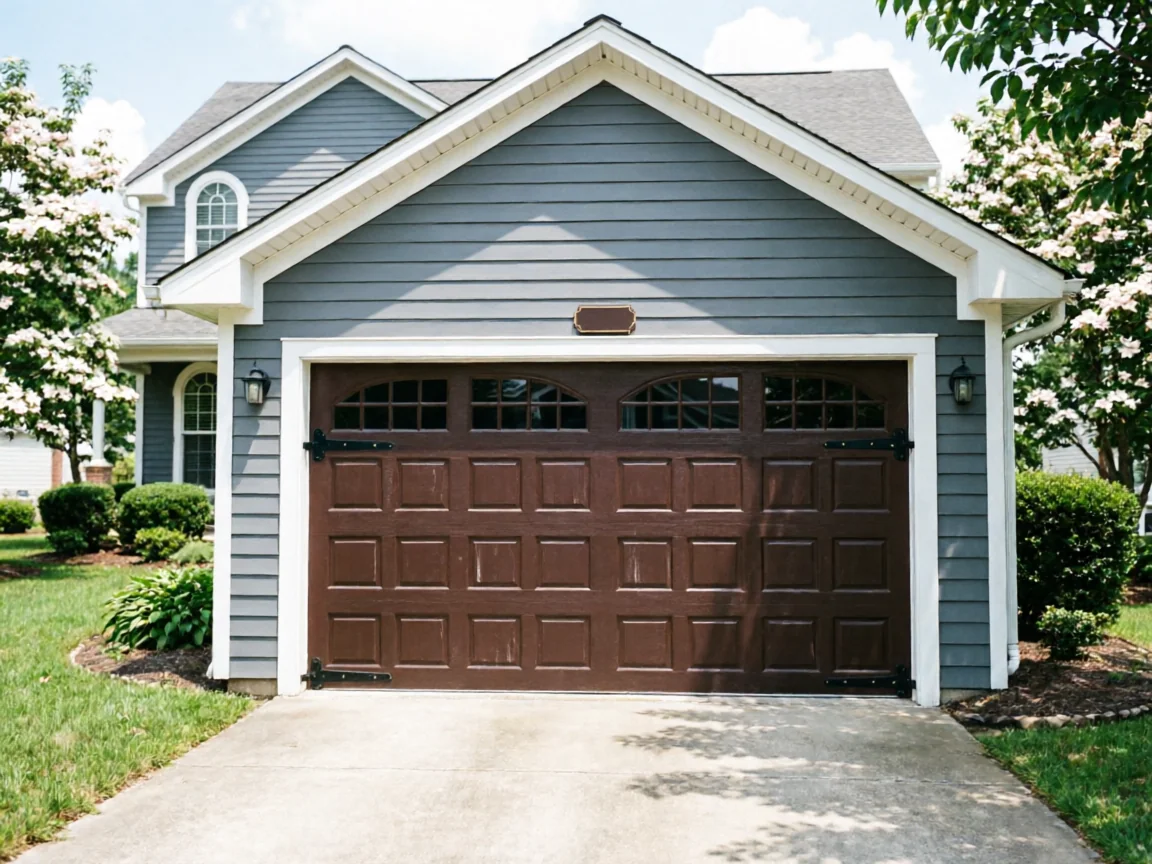
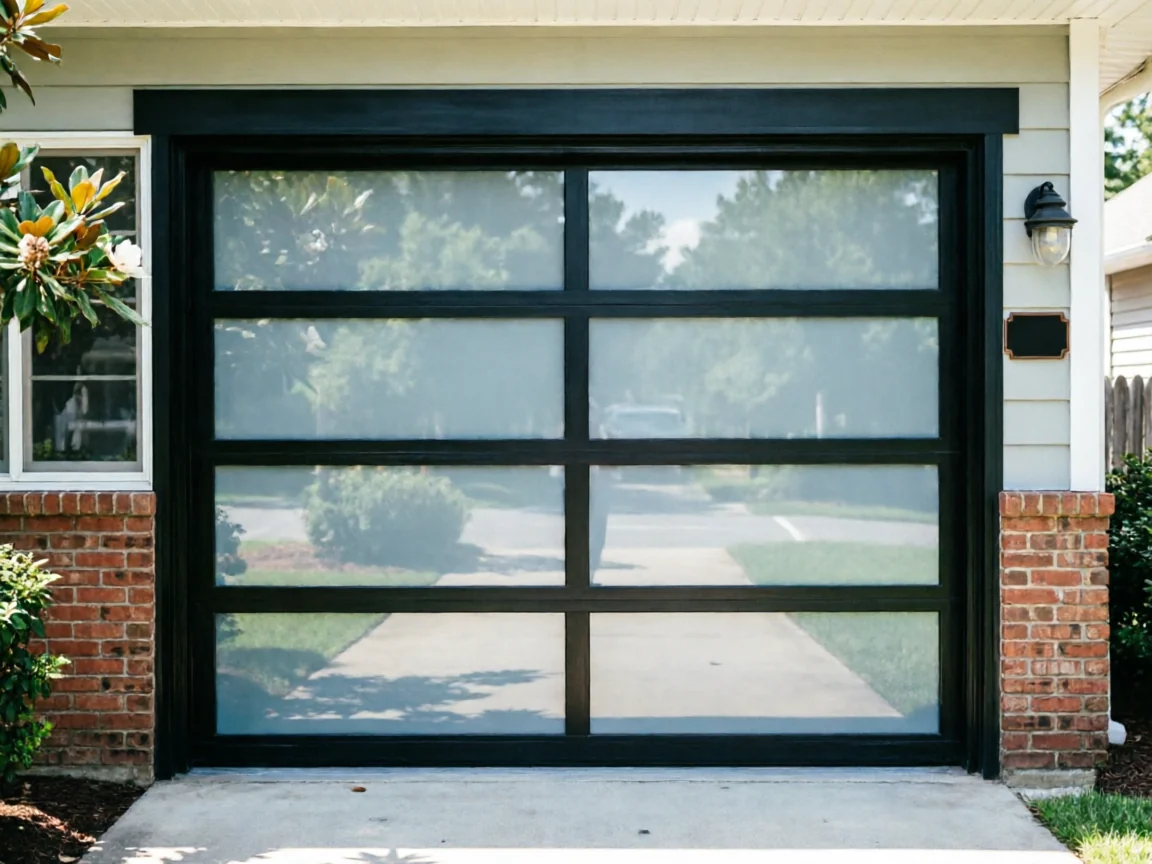
Recent garage door projects in Knoxville
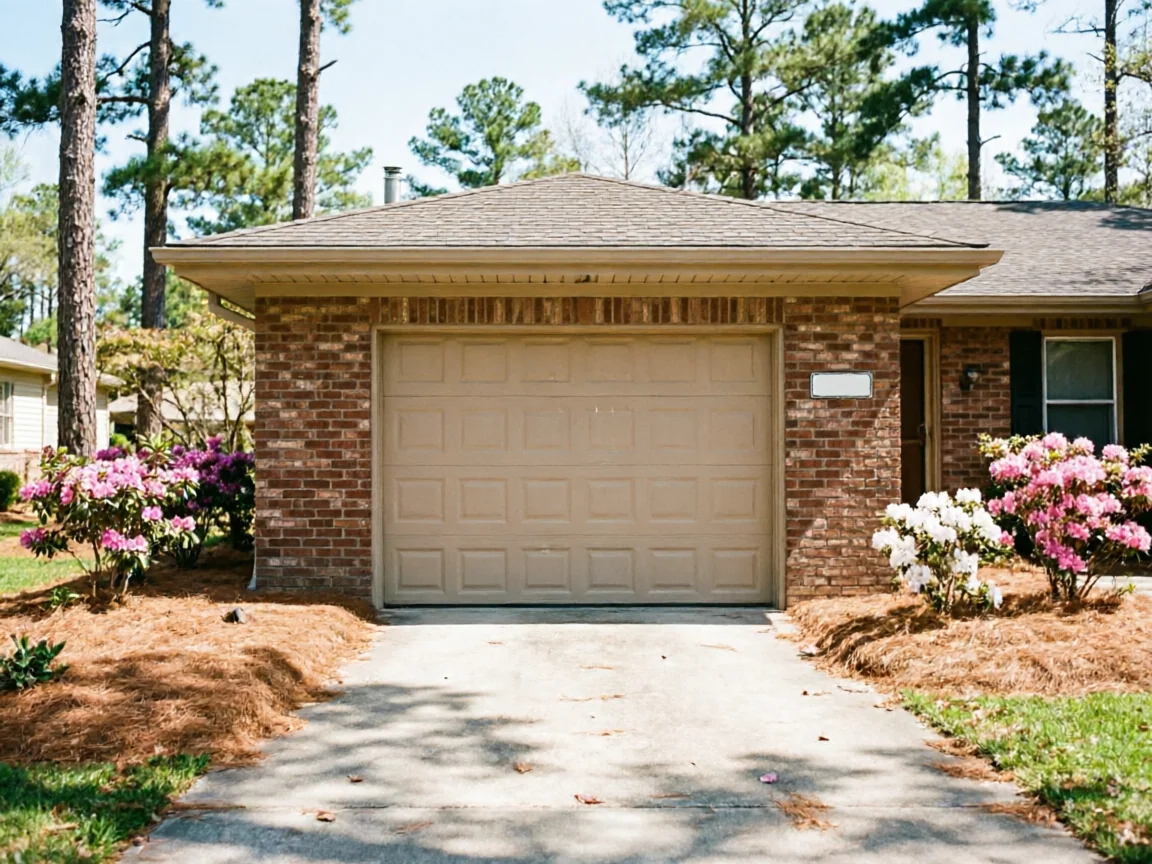
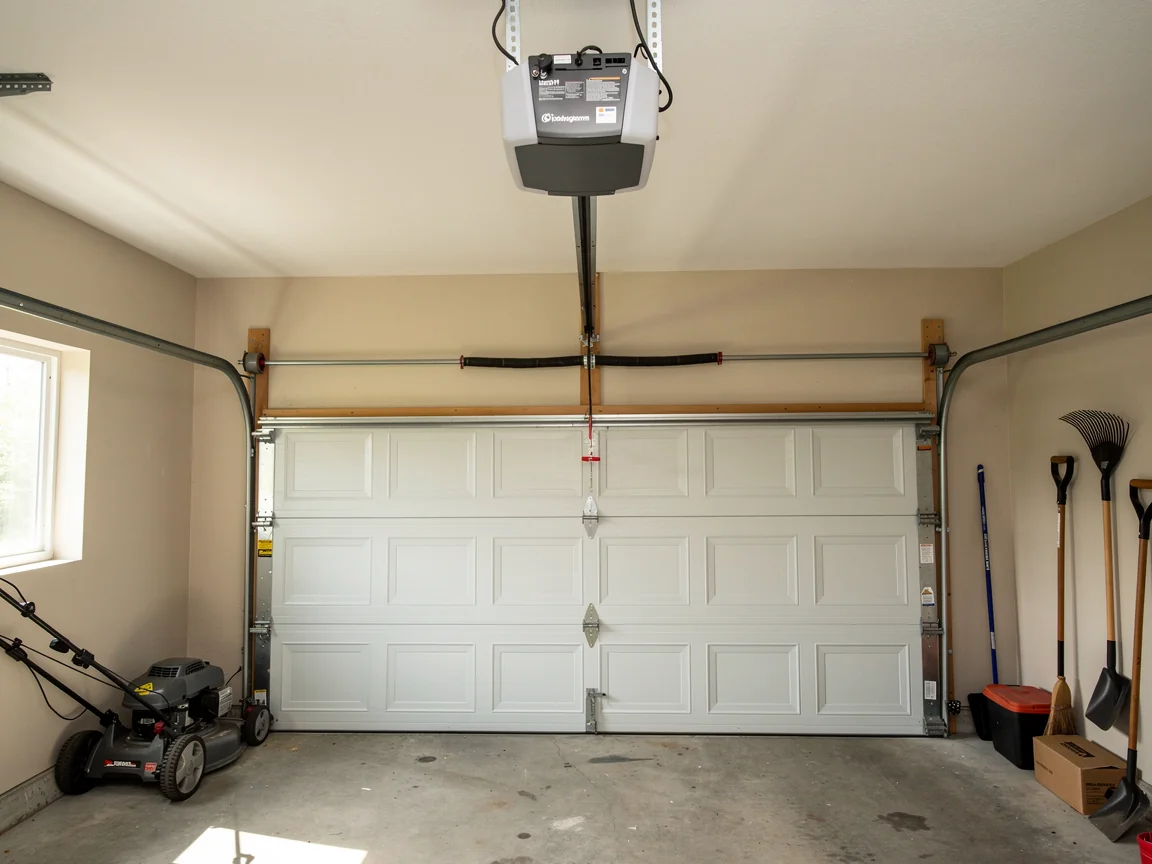
A look at doors, openers and springs we've installed and serviced across the Knoxville metro.
Where We Work
Serving Knoxville & nearby communities
Neighborhoods across the city and suburbs around the metro. Not sure if we reach you? Just ask.
Local Expertise
What to know about garage doors in Knoxville
What Happens When You Call
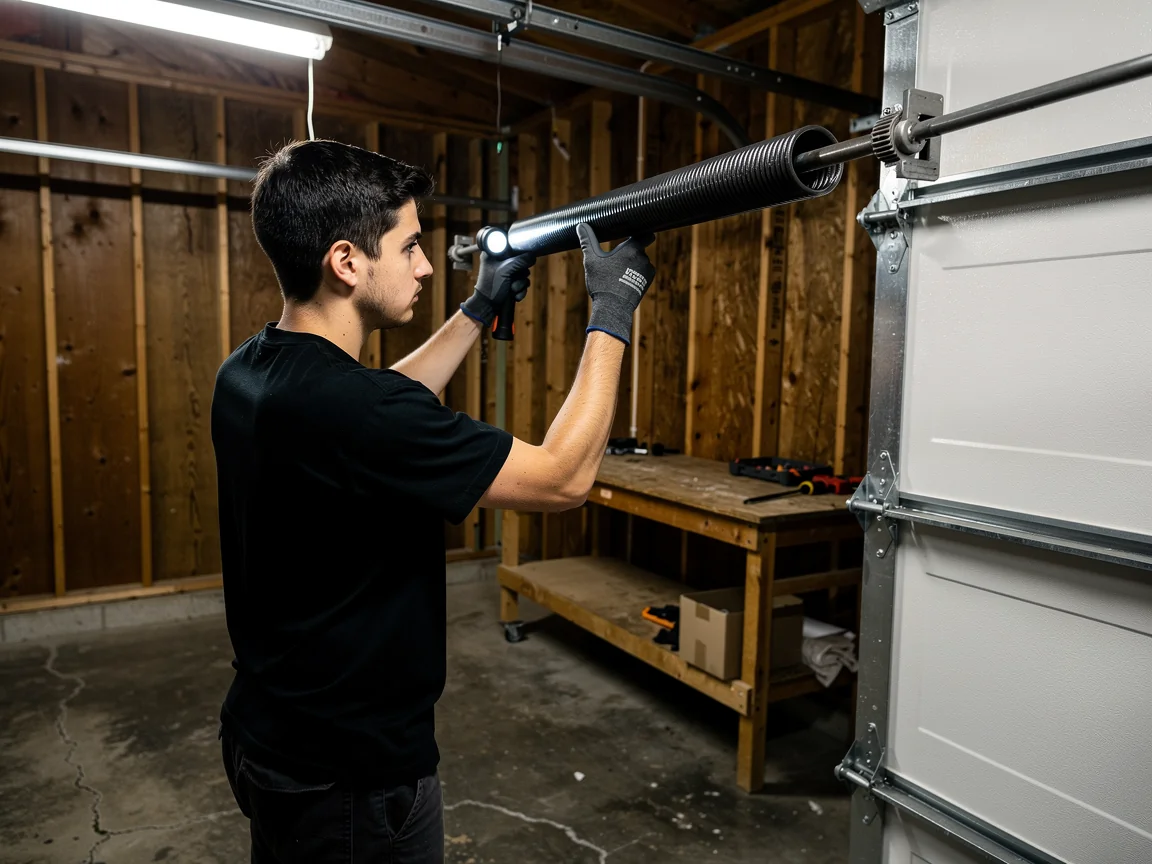
You tell us what the door is doing - won't open, hanging crooked, making a bang on the way down - and we ask where you are. Marble City is about a mile south of the shop, Fort Sanders a mile southeast, Fountain City four miles north-northeast, so we're used to the quirks of whichever side of town you're on. We get a truck a time window, not a vague "sometime today." On site, the first job is always diagnosis before a single part gets replaced: a bent track and a broken cable can look the same from the kitchen door, and they're not the same repair.
If the fix is straightforward - a roller, a cable, a sensor out of alignment - it usually happens on that first visit. If a part has to be special-ordered, we'll tell you that up front rather than string you along. We don't guess over the phone about cost before we've seen the door; springs, openers, and panels all price differently, and a torsion spring on a double door is not the same job as a cable off a drum. What we can tell you on the call is whether it's safe to keep using the door until we get there, because sometimes it isn't.
The Housing Stock Here
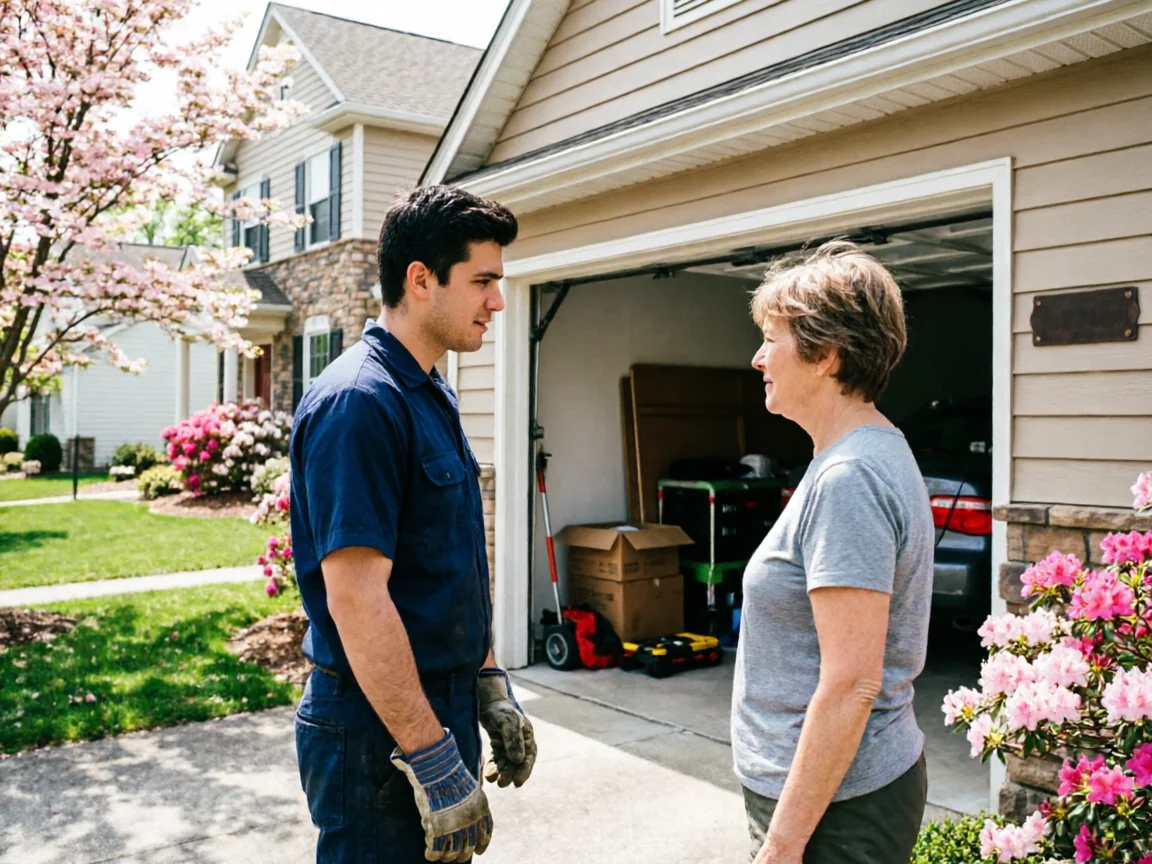
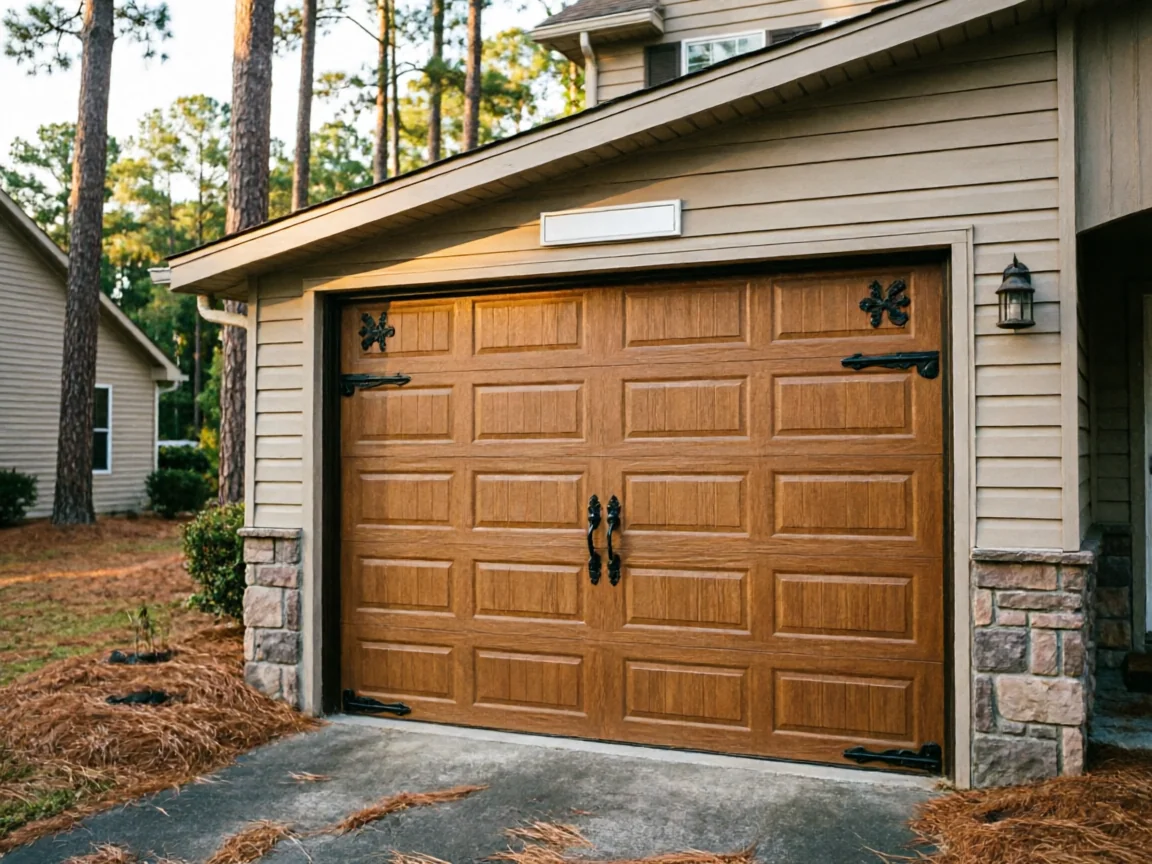
Most houses in this part of Knoxville went up between 1958 and 2002, with the bulk of that stock built in the 1980s and 90s. That date range matters more than people think, because garage doors and openers from different decades use different hardware standards - older torsion setups, older safety-sensor placements, panel sizes that don't match what's on the shelf at a big-box store today.
That 1958-2002 window shows up across the roughly 17 named areas we see work in, not just one neighborhood. A house near Marble City or Fort Sanders might have a door that's original to a 1960s build, while a place out toward Fountain City is more likely running 1980s or 90s gear that's just now reaching the age where springs fatigue and openers start grinding. Across the service area there are roughly 56,536 households and about 34,266 owner-occupied houses, which is a lot of original hardware still hanging on decades-old track. We don't assume your door matches your neighbor's just because the houses look alike from the street - the install dates inside that 1958-2002 range vary block to block, and that's usually the first thing we check.
What You Pay For
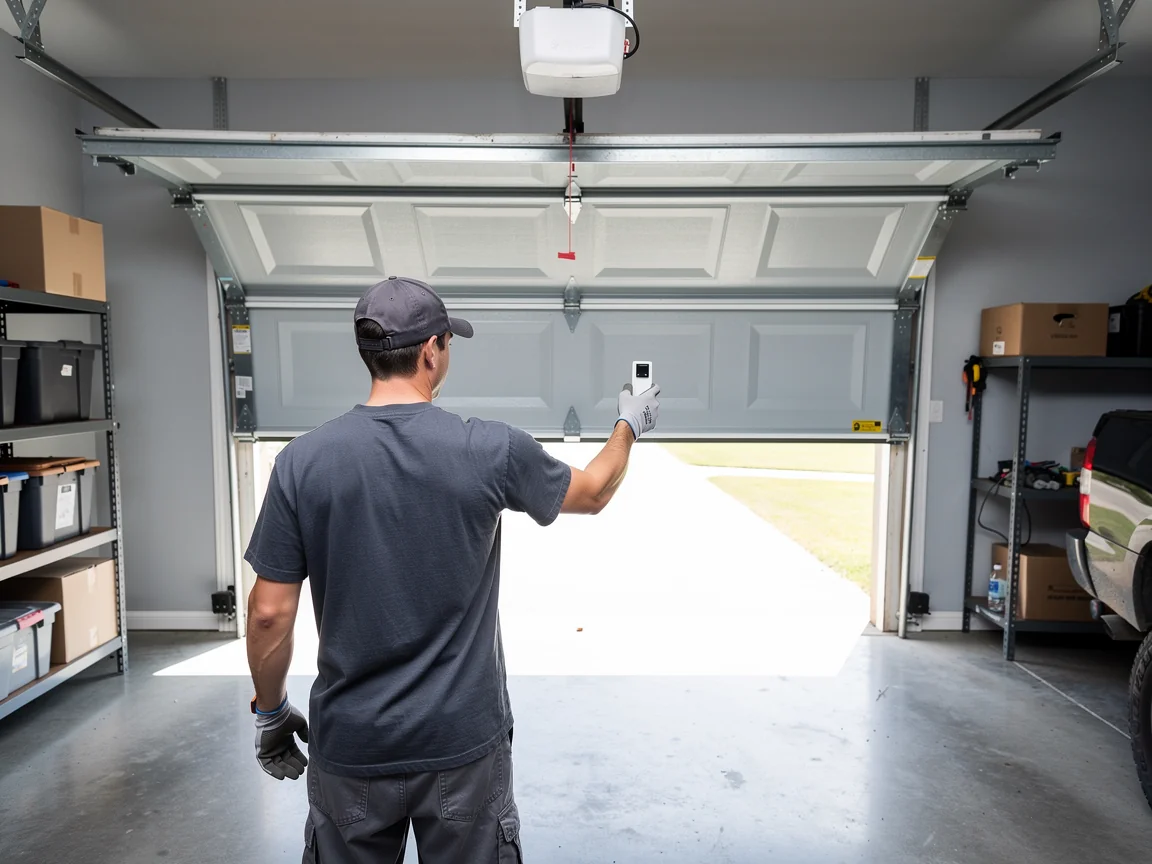
You're not paying for a truck to show up - you're paying for someone to tell you the truth about whether a part needs replacing or the whole assembly does. On a torsion spring job, that's the difference between swapping one spring and finding out the shaft or the drums are also worn, which happens more often on doors that have been running since the 1980s and 90s stock common around here.
Median household income here runs around $69,298, which tells you most of these repairs get paid out of a regular paycheck, not a renovation budget. That's part of why we don't push a full door replacement when a repair will hold for years - and it's also why, when a repair genuinely isn't worth it, we say so instead of patching something that'll fail again in six months. The honest limitation: we don't stock every panel finish for doors from the 1960s through 80s, so a cosmetic match on an older door sometimes means a special order, and that adds time we can't shorten.
Who Turns Up
Someone who knows the difference between a bent track and a misaligned one, and who checks the sensors before assuming the opener board is bad. That's less exciting than a sales pitch, but it's what keeps a repair from turning into three repairs. We work off the actual door in front of us - its age, its spring type, what's been swapped out before - rather than a generic checklist.
We're straightforward about what we don't do: we're not a general contractor, and if a job needs framing work or the opening itself is out of square, that's outside what we handle and we'll tell you so rather than take the job anyway. What we do handle is the door, the opener, the track, the springs and cables, and the hardware that connects them - on houses from the 1958-2002 range that makes up most of what's around here, in Marble City, Fountain City, Fort Sanders, and the rest of the area we cover.
The Jobs That Come Up Most
Knoxville sits in a cold-moderate climate band, so steel doors here see real freeze-thaw cycling that doesn't happen everywhere. That shows up as stiff rollers in winter, condensation rusting a bottom panel from the inside, and torsion springs that lose tension faster than they would in a warmer climate - springs are usually rated by cycle count, not years, and cold makes the metal work harder on every open and close.
On the older end of the 1958-2002 housing stock, we see a lot of worn cable drums and sensors that were never updated to current placement. On the newer end - doors closer to the 1987 median build year or installed since - the more common call is an opener that's reached the end of its working life, or a safety sensor knocked out of alignment by a bike or a trash can. Across the roughly 34,266 owner-occupied houses in the service area, the pattern holds: the door problems track the age of the house a lot more closely than the size of it.
Good to Know
Frequently asked questions
How old does a garage door have to be before parts get hard to find?
It depends more on the brand and spring type than the exact year, but doors from the earlier end of the 1958-2002 range sometimes need a part special-ordered rather than pulled off a shelf. We'll tell you on site whether your door's hardware is still common or whether it'll take a bit longer to source.
Why does my door act up more in winter?
Knoxville sits in a cold-moderate climate band, and steel doors here go through real freeze-thaw swings. Cold metal is stiffer, lubricant thickens, and torsion springs lose tension faster under that kind of cycling, so rollers stick and openers strain more than they do in summer.
Do you work in Fountain City and Fort Sanders, not just downtown?
Yes. We cover Marble City, Fort Sanders, Downtown, North Knoxville, Fountain City, and the wider area out toward Cedar Bluff and Hardin Valley. Call volume follows the housing stock more than the neighborhood name, so we see similar jobs across most of these areas.
Is it ever not worth repairing an old door?
Sometimes. If the track is bent badly enough or the panels are rusted through on an older door, patching it can cost more over time than replacing it. We'll say so plainly if that's the case rather than keep billing for repairs on a door that's past the point of being worth fixing.
Need a garage door fixed in Knoxville?
Call now or request a quote - tell us what the door is doing and where you are.